Place a Wholesale Christmas Tree Order Before Growers Commit Their Rows
Published
Will the Fraser firs your lot needs in 6 to 7 foot sizes still be available for your preferred delivery week? The useful deadline is not a national date. It is the moment the grower confirms your specified allocation in writing.
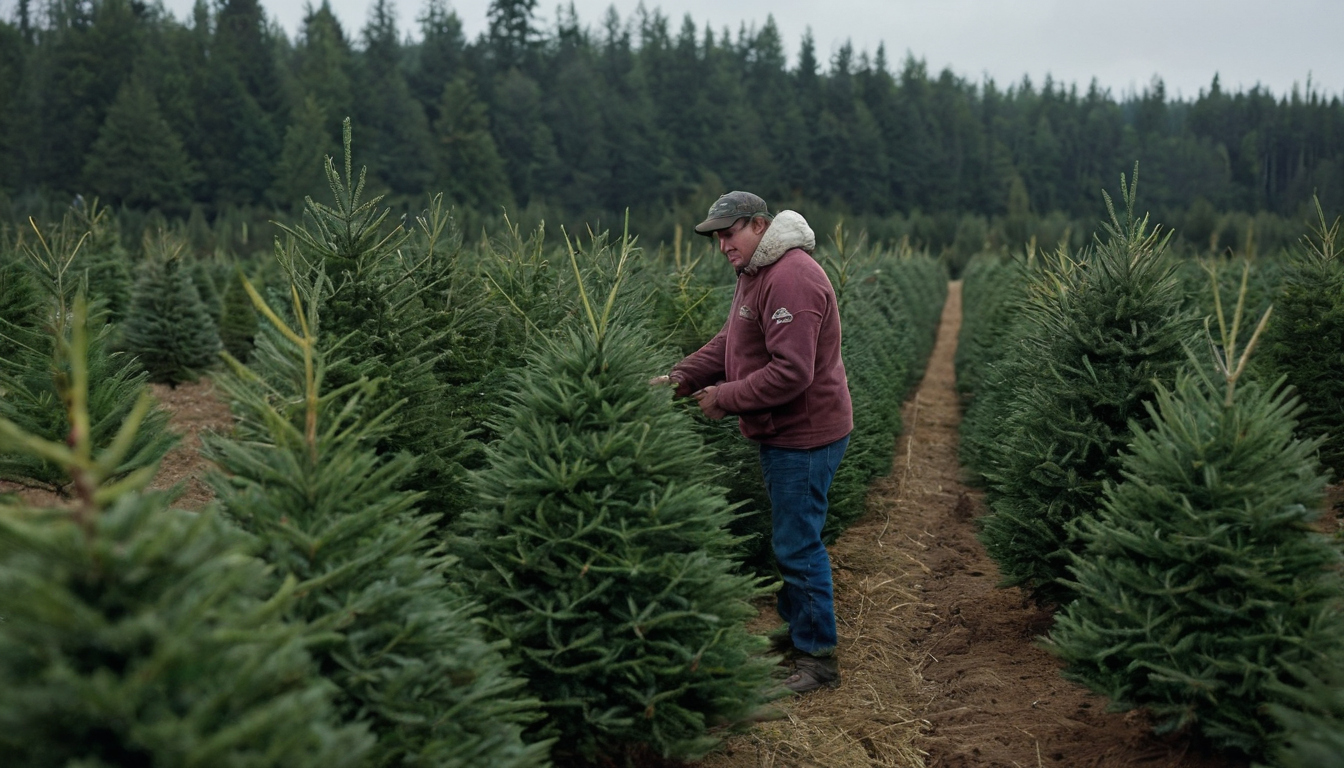
Place a Wholesale Christmas Tree Order Before Growers Commit Their Rows shown as an editorial planning reference.
When should a U.S. lot operator reserve wholesale Christmas trees?
A lot operator should begin Christmas tree wholesale ordering early enough to obtain written availability and reservation terms before the grower assigns the required species, sizes, grades, and delivery week elsewhere.
Grower allocation dates matter more than a single national ordering deadline
Availability depends on the grower’s harvest plan, existing commitments, order volume, specifications, and transportation method. Northeast buyers can use state grower associations to identify producers, a route described by Northern Woodlands.
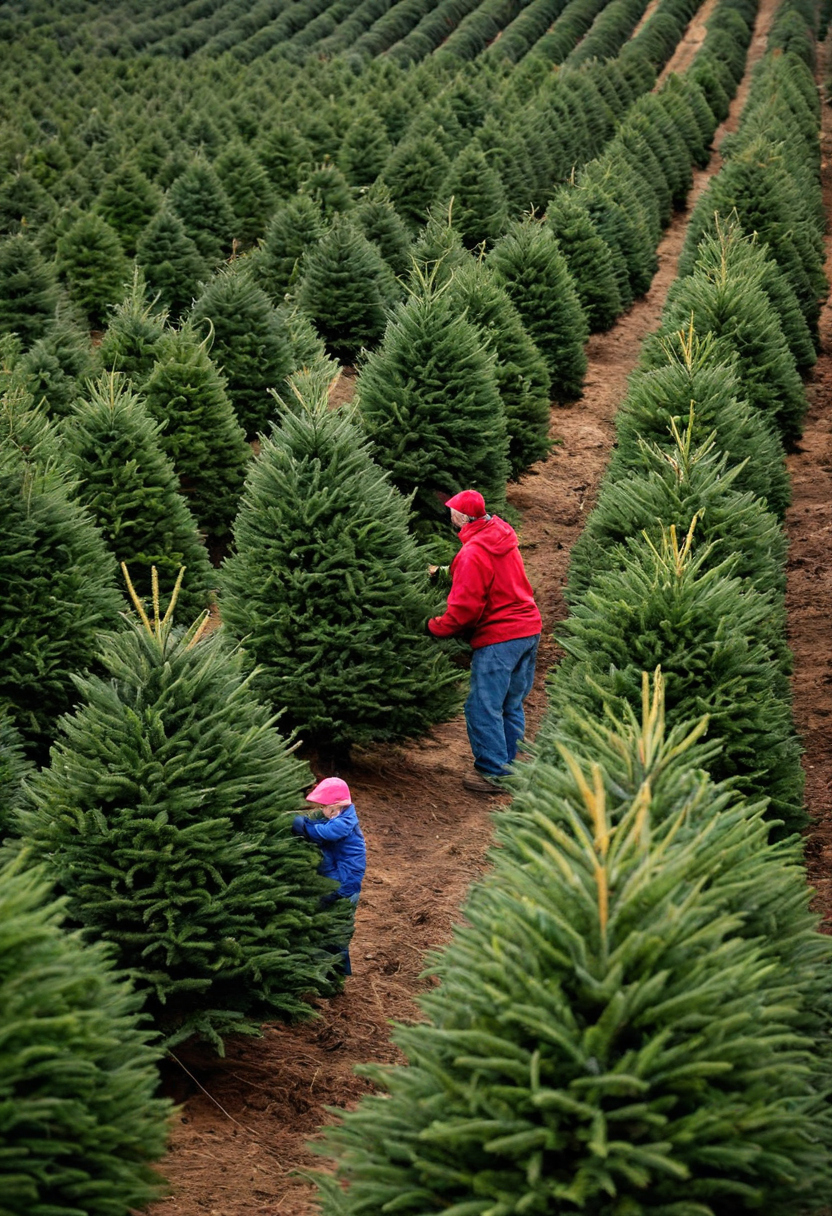
When should a U.S. lot operator reserve wholesale Christmas trees shown with practical context cues.
-
Quote: Confirms offered prices, not reserved trees.
-
Tentative reservation: Provides no dependable allocation unless its conditions are written.
-
Confirmed allocation: Identifies quantities, specifications, delivery timing, payment requirements, and grower acceptance.
Forest Service personal-use trees cannot supply a resale lot because trees harvested under that permit guidance cannot be sold.
A backward calendar should begin with the lot’s opening and delivery dates
| Milestone | Written proof | Failure if missed |
|---|---|---|
| Request availability | Species, grade, height, quantity, and delivery week | Preferred mix is allocated elsewhere |
| Reserve and pay | Acknowledgment and deposit receipt | A quote is mistaken for a reservation |
| Finalize freight | Count, appointment, carrier, and risk terms | Truck or crew is unavailable |
| Prepare receiving | Crew and equipment confirmation | The shipment cannot be handled safely |
The next control is deciding how many trees belong in each size-by-species order line.
A wholesale Christmas tree order should start with a size-by-species lot forecast
Convert expected sales into quantities by species, advertised height, grade, delivery wave, and acceptable substitute. Established lots should follow records; first-year lots should follow conservative physical and financial limits.
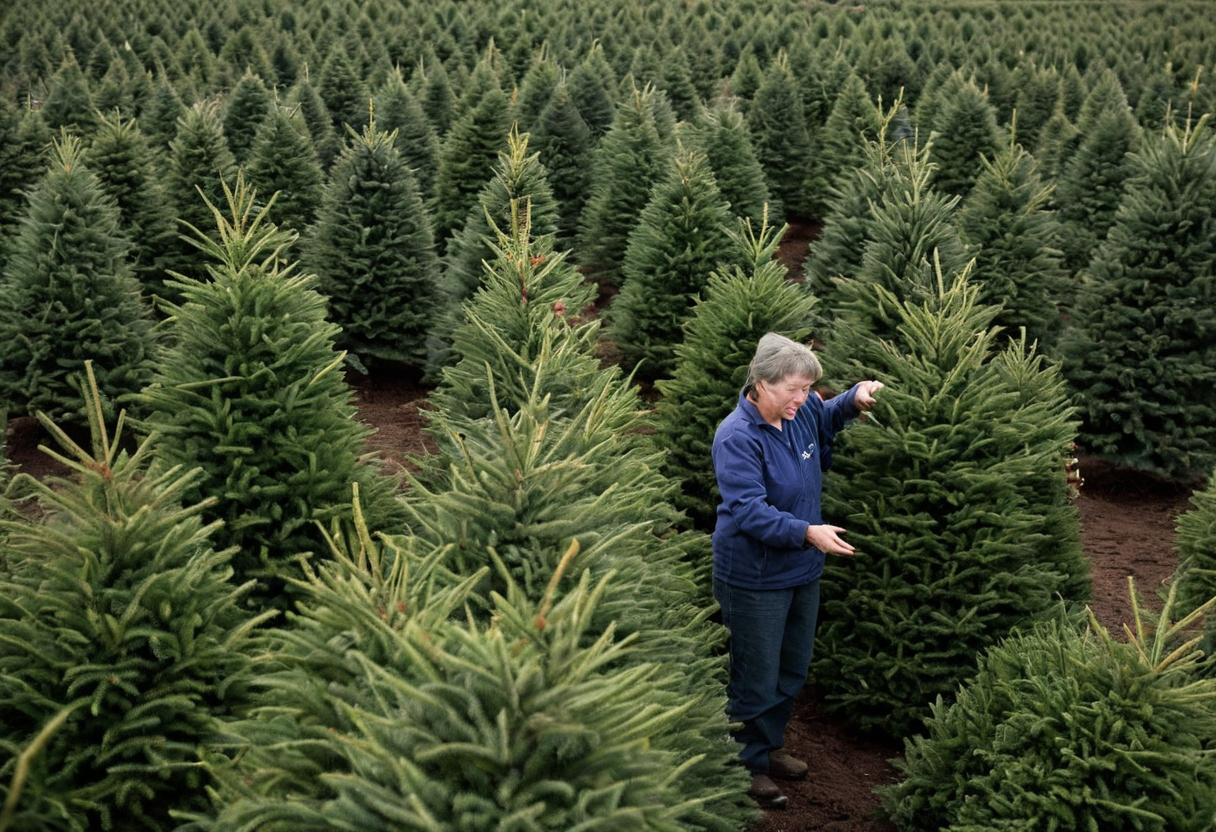
A wholesale Christmas tree order should start with a size-by-species lot forecast shown with practical context cues.
| Lot type | Starting evidence | Order control |
|---|---|---|
| Established | Receipts, sales, markdowns, culls, and ending inventory by order line | Adjust prior sales for operating changes and planned replenishment |
| First year | Display, storage, unloading, staffing, and working-capital limits | Order no more than the lowest practical capacity |
How should an established lot calculate its opening mix?
Do not count discounted leftovers or culls as normal demand. Christmas trees are long-cycle crops: Northern Woodlands reports that even a five-year-old seedling generally needs another 8 to 10 years to become a Christmas tree. NC State Extension also explains that differing growth rates can spread a plantation’s harvest across one to three years.
How should a first-year lot cap an order without reliable sales history?
Ask about minimums, mixed loads, split deliveries, and replenishment. NC State Extension recommends identifying trees by species, height, color, density, and shape, and warns that cut trees held before shipment can lose moisture unless protected from direct sun and drying wind.
| Species | Height | Grade | Opening quantity | Replenishment | Substitute |
|---|---|---|---|---|---|
| Fraser fir | 6 to 7 ft | Specified on order | 60 | 20 | Balsam fir with approval |
This is a hypothetical worksheet line, not a national benchmark. Forest Service permits govern personal-use cutting and must remain with the permit holder while on the forest; they are not wholesale inventory permits. The forecast now needs measurable specifications.
Christmas tree grades, height measurements, and tolerances must be defined on the purchase order
The purchase order must identify species, height interval, governing standard, measurement method, grade, tolerances, handle requirements, substitutions, and the remedy for nonconforming trees.
Which Christmas tree grade standard governs the shipment?
The USDA Agricultural Marketing Service Christmas-tree standards cover sheared and unsheared conifers normally marketed as Christmas trees. The USDA scope lists Douglas, balsam, red, white, Fraser, grand and noble fir; white and blue spruce; eastern red cedar; and red, white, Virginia and Scotch pine among the majority marketed.
| Purchase-order field | Measurable requirement |
|---|---|
| Species and grade | Name the species and governing grade. USDA U.S. Premium requires at least heavy density; U.S. No. 1 requires at least medium density. |
| Height | State the interval, measurement points, treatment of the leader and handle, and whether measurement occurs before or after baling. |
| Handle | For both cited grades, at least 6 inches but no more than 1 1/2 inches per foot of tree height or length. This condition does not apply when graded on the stump. |
| Quality and remedy | Define taper, density, straightness, foliage condition, defects, line tolerance, rejection, credit, and replacement authority. |
Tree height and handle length require an agreed measurement method
NC State Extension identifies height, stem straightness, handle length, symmetry, and foliage fullness as wholesale specifications. It also recommends a flat, square-cut base, carrying rather than dragging trees, baling, and sorting by species, height, and quality.
Forest Service cutting limits, including one tree per tag and forest-specific rules for location, trunk size, and stump height, apply to personal-use harvest rather than commercial orders.
Substitution authority should be limited by species, size, grade, and quantity
Mark each line “no substitution,” “written approval required,” or name a preapproved alternative with a quantity cap. Precise Christmas tree grades still do not reserve trees until the commercial terms are accepted.
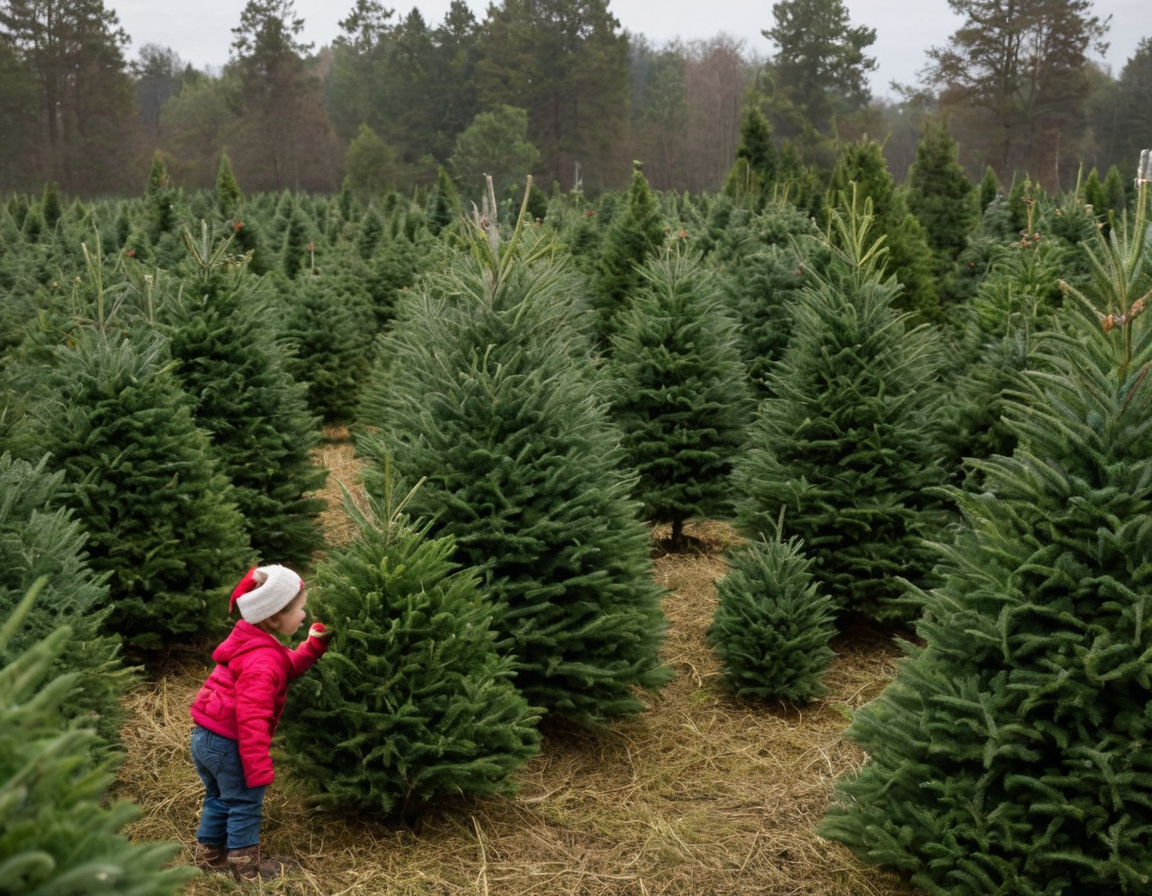
Christmas tree grades, height measurements, and tolerances must be defined on the purchase order shown with practical context cues.
A grower has not reserved bulk Christmas trees until the commercial terms are confirmed in writing
A quote, phone call, submitted list, or unspecified deposit does not reserve bulk Christmas trees unless the grower’s written terms say it does.
The written order acknowledgment should match every requested line
-
Match buyer, grower, species, sizes, grades, quantities, unit prices, destination, and delivery timing.
-
Flag omitted lines, reduced quantities, changed specifications, and unclear substitutions.
-
Resolve every difference before any stated revision or cancellation deadline.
Deposits, cancellations, and shortages require separate answers
-
Record the deposit amount, method, due date, refund conditions, and balance deadline.
-
Obtain written instructions for buyer cancellation, grower shortages, and unavailable specifications.
-
Separate the quote, acknowledgment, deposit, allocation, final count, and cancellation terms.
Buyer and grower contacts should have authority to approve changes
Name primary and backup contacts, approval channels, and the changes each may authorize. The next checkpoint is freight: who pays, who carries risk, and who must be ready at delivery.
Freight terms for wholesale Christmas trees must identify cost, risk, and delivery responsibility
A tree price is not a usable landed cost until the buyer knows who arranges transportation, loads and unloads, carries risk, and pays additional charges.
How should a lot operator calculate the landed cost of a tree shipment?
Landed cost equals quoted tree lines plus packaging, freight, fuel, accessorials, unloading, inspection, taxes and fees, minus credits. Allocate shared charges consistently by tree, bundle, pallet, or occupied space.
The delivery appointment must match the truck, site, and unloading crew
Record equipment, bundle configuration, entrance restrictions, turning space, appointment window, unloading method, risk transfer, and after-hours contacts. NC State Extension says simultaneous cutting and loading can reduce truck delays, although it raises handling costs. Once the truck arrives, evidence can disappear quickly unless the crew follows a receiving plan.
Wholesale Christmas trees should be counted, inspected, and protected immediately after delivery
The receiving crew should compare the shipment with the written order, photograph its condition, isolate questionable trees, and move accepted inventory into protected storage immediately.
The receiving count should preserve evidence by bundle, pallet, tag, and order line
Reconcile bundles and trees with the purchase order, acknowledgment, packing list, bill of lading, tags, and delivery receipt. Photograph shortages or damage before signing. NC State Extension notes that twine or plastic-net baling can reduce handling and shipping damage.
A wholesale Christmas tree order is ready only after every failure point has an owner
An order is ready only when one person and one written record cover every material risk: forecast, specifications, allocation, payment, freight, unloading, inspection, storage, and claims.
The final purchase-order check should end with a documented go-or-hold decision
| Failure point | Prevention document | Corrective action |
|---|---|---|
| Wrong inventory or specifications | Approved forecast and accepted acknowledgment | Correct the line and obtain fresh acceptance |
| Unapproved substitution or payment gap | Substitution approval and payment record | Place the affected line on hold |
| Freight or receiving failure | Delivery confirmation, site plan, and crew assignment | Escalate before dispatch |
| Late claim | Inspection record and claim procedure | Document and notify the named contact promptly |
Go only when the authorized buyer approves the file and the receiving lead accepts delivery responsibility. If any material term lacks an owner or document, hold the order rather than mistaking an incomplete conversation for reserved trees.
Frequently asked questions about wholesale Christmas trees
These short answers cover the final checks buyers commonly make before approving an order.
Where can a U.S. tree-lot operator buy wholesale Christmas trees from verified growers?
Start with state or regional Christmas tree grower associations, then verify the producer’s business identity, specifications, references, written terms, and ability to serve the destination.